
Star Tribune publishes FMR, farmer commentary on ag pollution
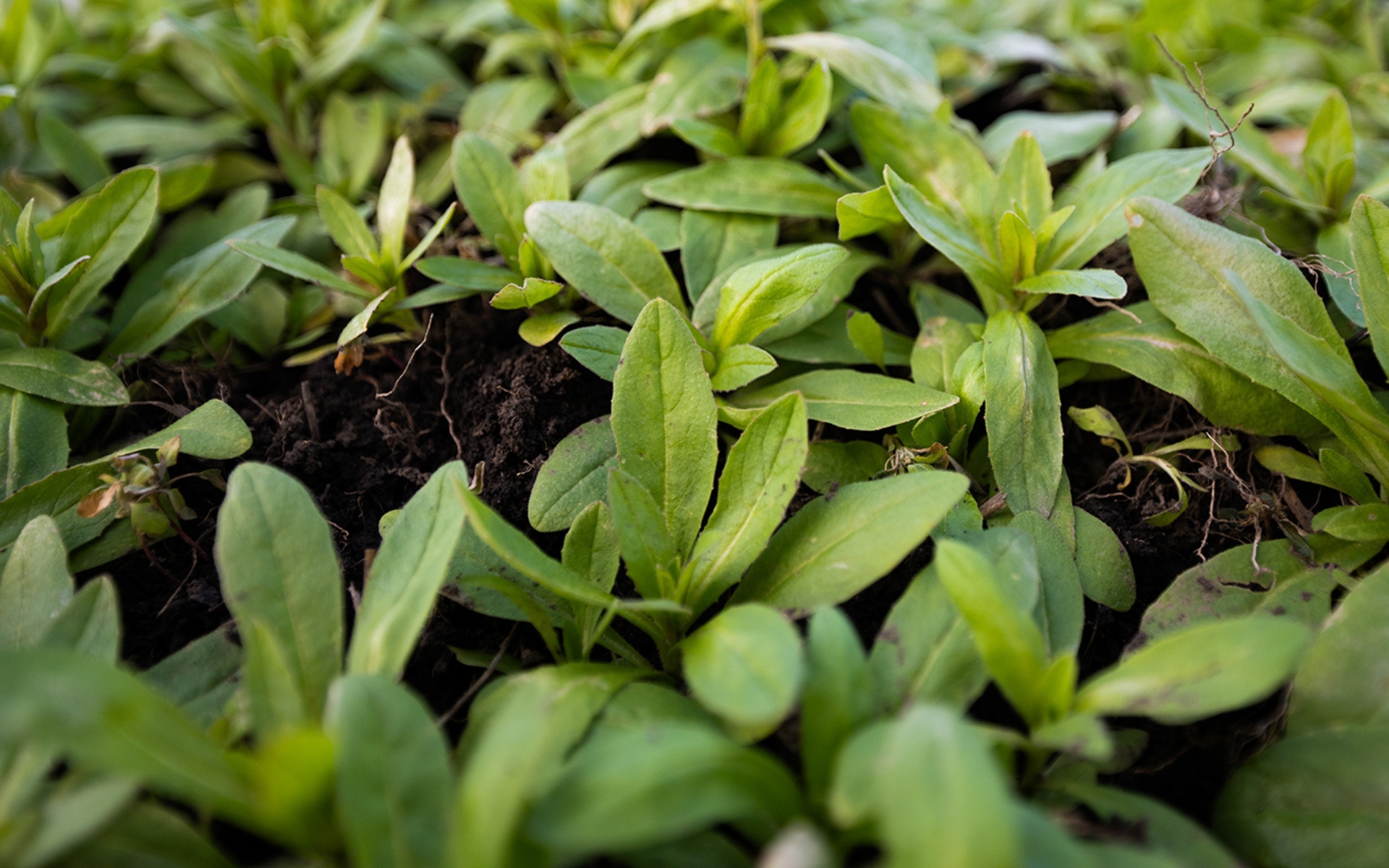
The commentary makes the case for clean-water crops (like the winter camelina seen here) as a foundational solution for agricultural runoff — the main source of pollution to the Mississippi River. (Photo by Dodd Demas)
What should be the future of a decade-old program that aims to improve water quality by incentivizing farmers to adopt conservation practices, but hasn't lived up to its promise?
That conversation has been playing out in a very public way since the July release of a legislative audit of the Minnesota Agricultural Water Quality Certification Program.
After media highlighted the critical report, Minnesota's Commissioner of Agriculture, Minnesota Farmers Union and FMR weighed in with a series of commentaries, focused on the program and how to most effectively move forward.
Critiques and rebuttals
Legislative auditors concluded that the program's purpose "is not well defined" and its impact on water quality "is not clear." Auditors also found that the Minnesota Department of Agriculture was sometimes certifying farmers that hadn't met program standards.
The audit's release prompted news stories from MPR News and Agweek, summarizing both the shortcomings and the report's recommendations. Op-eds and commentaries soon followed.
"The [Office of the Legislative Auditor's] findings aren’t exactly reassuring," wrote Star tribune editorial writer Jill Burcum on July 27, "and lawmakers should take note. Reforms are in order."
A week later, MDA Commissioner Thom Peterson defended the program's record in a rebuttal (the agency maintains a regularly updated tally of pollution reduction estimates) while arguing "key aspects of the conversation mischaracterize" the program's operations.
In the Minnesota Reformer, farmer and vice president of the Minnesota Farmers Union, Anne Schwagerl, detailed her experience with the program, describing it as a "trusted, science-based resource focused on water quality."
Most recently, the legislator that authored the bill establishing this program called for it to be outright repealed. Taxpayer dollars, wrote former Rep. Jean Wagenius, should be used on “strategies that will make a real difference.”
What is that strategy? We’ve got one that can work on its own or in tandem with a reimagined Minnesota Agricultural Water Quality Certification Program.
FMR Star Tribune commentary gets to the solutions
Agriculture pollution is at the heart of our water quality work at FMR. Traditional conservation practices like no till and traditional cover crops at the heart of the Ag Certification Program are helpful steps, but they're not enough. There is no way to get to clean water in Minnesota without making meaningful changes to our cropping systems — and that means finding financially beneficial ways to cover the ground year-round, using the clean-water crops being developed by Forever Green.
We felt it was important to add this perspective to the public discourse.
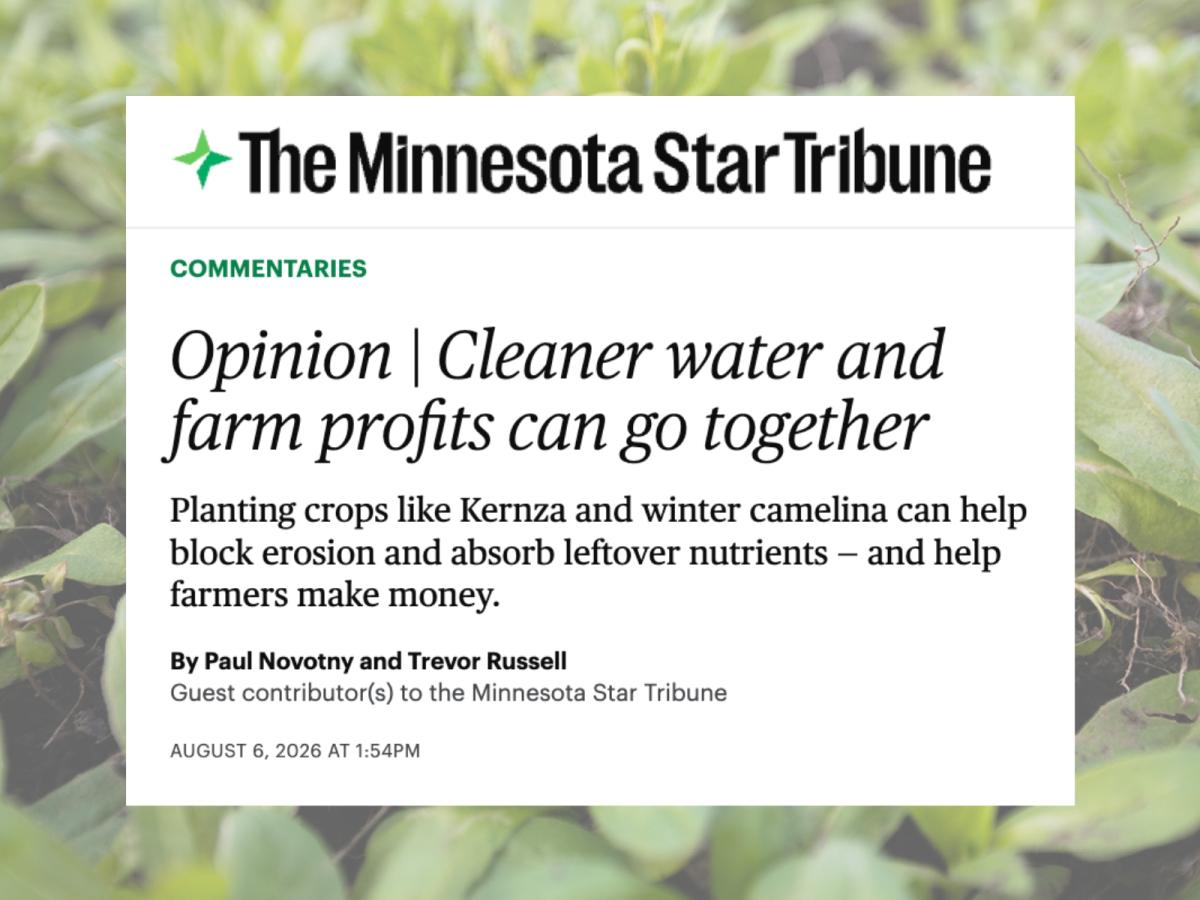
We submitted a commentary to the Star Tribune, written by FMR Water Program Director Trevor Russell and Chatfield farmer Paul Novotny, to expand the discussion.
"As Burcum makes clear, we urgently need to embrace more effective solutions to reduce ag runoff, particularly the nitrate and phosphorus that are the leading source of pollution in the Mississippi River and continue to contaminate drinking water, including both public and private wells, throughout the state," they wrote. "Planting perennial grains (such as Kernza) or winter-hardy cash cover crops such as winter camelina can keep living roots in the soil year-round to anchor topsoil, block erosion and absorb leftover nutrients. Better yet, producers can harvest and sell these crops for a profit, boosting farm prosperity and water quality at the same time."
They also pointed out the state's newest plan to reduce nutrient pollution strongly emphasizes the importance of increasing living cover on farm fields year-round.
Read the full piece published Aug. 6 by the Star Tribune, then sign up for our newsletter to make sure you get all the latest developments.
Become a River Guardian
Sign up and we'll email you when important river issues arise. We make it quick and easy to contact decision-makers. River Guardians are also invited to special social hours and other events about legislative and metro river corridor issues.